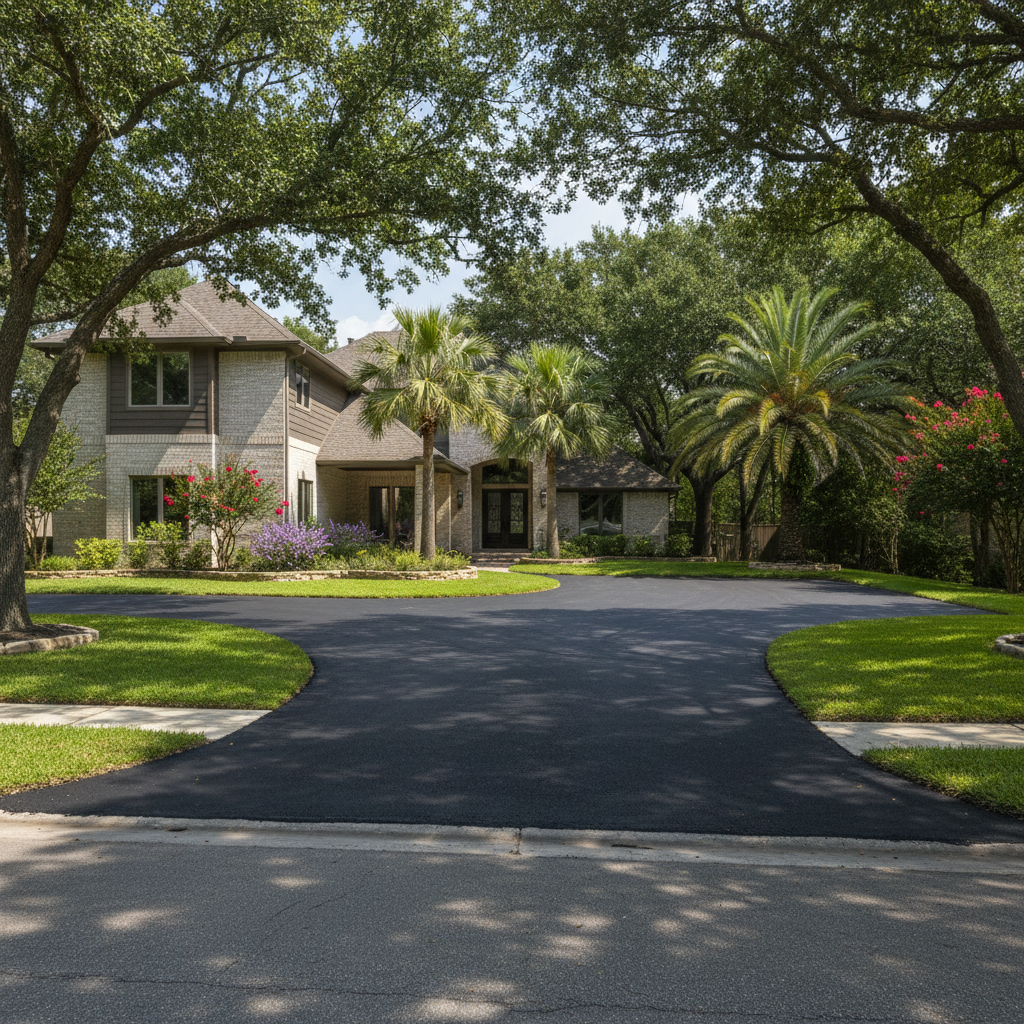
When's the best time to get your commercial asphalt work done here in Pearland? That's a question I get a lot, and honestly, the answer isn't as simple as 'spring' or 'fall.' Our Texas weather, especially down here near the Gulf, really dictates when we can lay down good, long-lasting asphalt.
Why Pearland's Weather Matters for Asphalt
You know how it is. One day it's 80 degrees and sunny, the next we're getting a pop-up thunderstorm that dumps an inch of rain in an hour. This kind of unpredictability, combined with our high humidity and intense summer heat, makes asphalt paving a bit of a dance. Asphalt needs specific conditions to cure properly and bond right. If it's too cold, it won't compact well. Too hot, and it can be difficult to work with and prone to rutting before it's fully set. And rain? That's a definite no-go during installation.
The Best Windows for Asphalt Work
Based on years of doing this here in Pearland, I'd say you've got two prime windows for commercial asphalt projects:
- Spring (Late March to Early June): This is usually our sweet spot. Temperatures are consistently warm but not scorching, typically ranging from 60 to 85 degrees. We still get rain, but it's often more predictable, giving us clear windows to work. The ground isn't saturated from winter rains, and the asphalt has time to cure before the intense summer heat hits.
- Fall (Late September to Early December): Another excellent period. The brutal summer heat has usually backed off, and temperatures are cooling down into that ideal 60-80 degree range. Humidity starts to drop a bit too, which is a plus. We do need to watch out for those late-season tropical systems, but generally, the weather is stable enough for quality work.
What about summer and winter? We can certainly do smaller repairs in summer, but large-scale paving in July or August is tough. The ground temperature can be incredibly high, and the asphalt mix itself gets super hot, which can lead to issues with compaction and premature aging. Winter, especially January and February, brings colder temperatures that make the asphalt stiff and difficult to work with. Plus, those cold snaps can really slow down the curing process, making the new pavement more vulnerable.
Planning Around the Rain and Humidity
Here in Pearland, we're no strangers to humidity and sudden downpours. When Pearland Accurate Asphalt is planning a job, we're constantly watching the forecast. We can't pave on wet ground, and we can't lay asphalt if rain is imminent. High humidity also slows down the evaporation of any moisture, which can affect the bonding of sealcoats or crack fillers. That's why scheduling flexibility is key, especially for bigger projects. We'll always communicate openly about the weather and any necessary adjustments to the timeline.
Protecting Your Investment Year-Round
Once your asphalt is down, whether it's a brand new parking lot or a fresh overlay, you've got to protect it. Our local conditions are tough on pavement. Here's what I recommend:
- Regular Sweeping: Debris, especially sand and gravel, acts like sandpaper on your asphalt. Keep it clean to prevent premature wear.
- Crack Sealing: This is huge. Those hairline cracks might seem minor, but they're open invitations for water to get underneath your asphalt. And once water gets in, especially with our clay-rich soils around here that expand and contract, it's only a matter of time before you've got bigger problems like potholes. Seal those cracks quickly!
- Sealcoating: Think of it as sunscreen for your asphalt. Our intense sun and UV rays break down the binders in asphalt, making it brittle. A sealcoat every few years protects it from the elements and keeps it looking sharp. It also helps resist oil and gas spills.
- Drainage Checks: Make sure your drainage systems are clear and working. Standing water is the enemy of asphalt.
Don't wait until you've got a major issue. Being proactive with maintenance, especially given our unique climate, will significantly extend the life of your commercial asphalt. If you've got questions about your property's pavement or need an assessment, give us a call. We're happy to take a look and give you an honest opinion on what's needed.