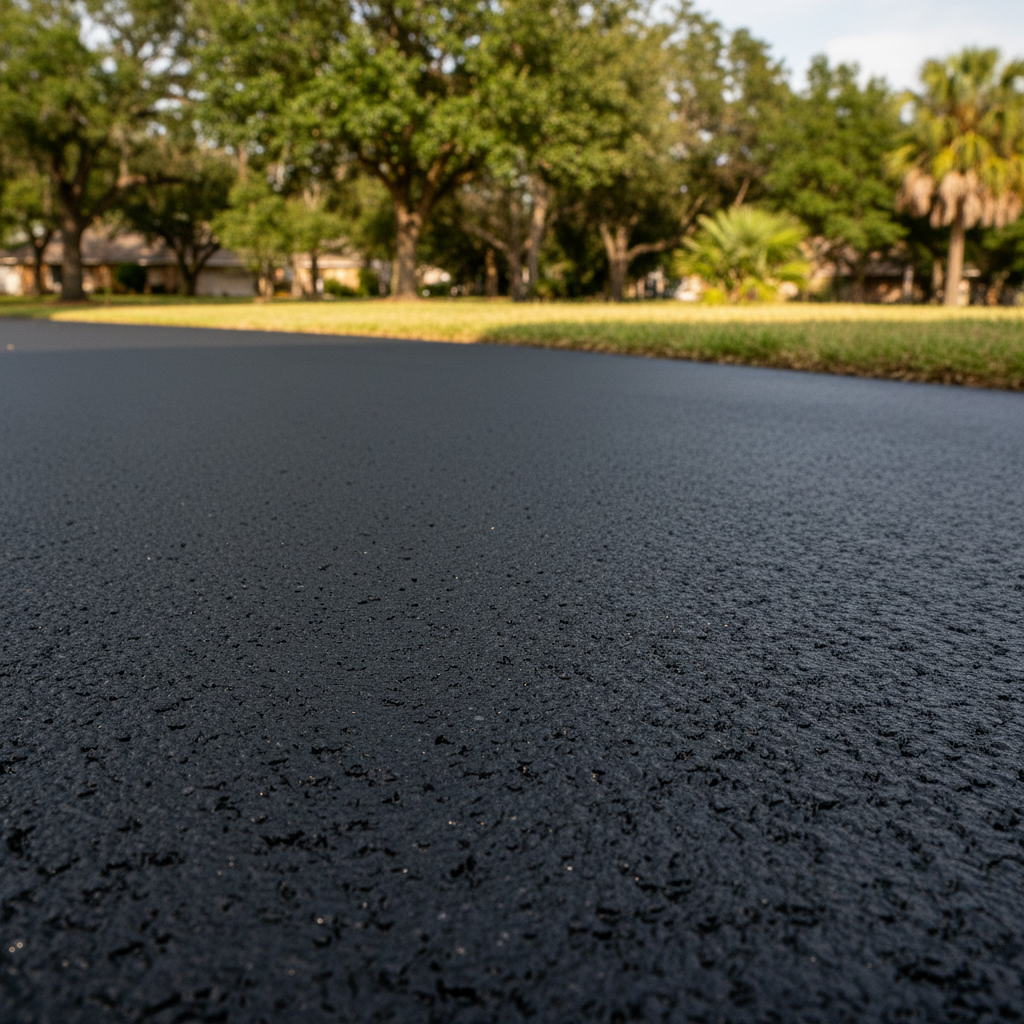
Thinking about sealcoating your driveway? Good call. It's honestly one of the smartest things you can do to protect that big investment. But I get it, there's a ton of information out there, and frankly, not all of it's actually helpful. Homeowners all over Pearland ask me a lot of the same questions, so I figured, why not put them all in one spot? Here are the real answers, no fluff, straight from someone who does this every day.
What exactly is sealcoating, and why do I even need it?
Alright, let's keep this super simple. Sealcoating is basically a protective layer we put on your asphalt driveway. Think of it like sunscreen for your pavement, or maybe a fresh coat of paint on your house, keeping things looking good. It's usually a mix of coal tar or asphalt emulsion, plus some fillers and polymers. What it does is seal up the surface, stopping water, oils, and those harsh UV rays from getting in there and breaking down the asphalt binders.
Why do you need it? Well, your driveway takes a beating, doesn't it? The sun bakes it, rain washes away fine particles, oil drips from cars, and over time, it just starts to get brittle, crack, and fade. Here in Pearland, with our intense summer sun and those heavy rains, that breakdown can happen even faster. Sealcoating slows all that down, really stretching out your driveway's life and keeping it looking sharp for years.
How often should I sealcoat my driveway?
This is a big one, and the answer isn't just a simple 'every X years.' It really depends on a few things: how old your driveway is, how much traffic it sees, and how well it was put in to begin with. For a brand-new asphalt driveway, I usually tell people to wait about 6-12 months after we install it. This gives the asphalt plenty of time to fully cure, and lets some of those lighter oils evaporate, which actually helps the sealcoat stick better.
After that first application, a good rule of thumb is every 2-3 years. If your driveway gets a lot of sun, heavy vehicles, or you live in an area like Shadow Creek Ranch where tree debris can hold moisture, you might lean towards that 2-year mark. If it's in good shape and mostly shaded, you could probably stretch it to 3 years. Just don't wait until it's already full of cracks and potholes; sealcoating is about preventing problems, not a magic fix for a neglected driveway.
What's the best time of year to get it done in Pearland?
Timing is everything, especially with our Texas weather. You really need warm, dry conditions for sealcoat to cure right. That means no rain before, during, or right after we apply it. Both the air and the pavement need to be consistently above 50°F (10°C) for at least a full 24 hours after we're done.
So, what does that mean for us here in Pearland? Spring (March to May) and Fall (September to November) are usually your best bets. Summer can work, but you've got to watch out for those pop-up afternoon thunderstorms, and sometimes the intense heat can make the product dry too fast if it's not applied just right. Winter is generally a no-go because temperatures often drop too low. We're always checking the forecast multiple times before we even think about scheduling a job, believe me.
How long does it take to dry, and when can I drive on it?
Patience, my friend, is key here. After we put the sealcoat down, it's going to look fantastic, but it's not ready for traffic right away. Typically, you'll need to stay off it for at least 24-48 hours. The exact drying time really depends on the weather – humidity, temperature, and how much sun it gets all play a role. If it's a cooler, more humid day, it'll take longer. Hot and sunny? It'll dry faster, obviously.
I always tell folks to plan for 48 hours just to be safe. Driving on it too soon can cause tire marks, scuffing, and can even pull up the fresh sealcoat, which totally defeats the whole purpose. It's a minor inconvenience for a driveway that's going to last longer and stay protected.
Will sealcoating fix existing cracks and potholes?
No, not by itself. This is a really common misunderstanding. Sealcoating is a surface treatment, plain and simple. It's made to protect the asphalt that's already there, not to fix structural damage. Think of it like painting over a hole in your wall – it won't make the hole disappear.
Before we even consider sealcoating, any cracks, potholes, or damaged areas absolutely need proper repairs. We'll clean out cracks, fill them with a hot rubberized crack filler, and patch any potholes. Only once those repairs are solid can we effectively apply the sealcoat. If you don't take care of the underlying issues first, the sealcoat will just crack and fail right along with the old damage, and you'll have basically thrown your money away.
Is there a difference in sealcoating materials?
Absolutely, there is. Not all sealcoats are created equal, not by a long shot. You generally have two main types: coal tar emulsion and asphalt emulsion. Coal tar has historically been the tougher option, giving great resistance to chemicals like oil and gas, and better UV protection. However, there are some environmental concerns with coal tar, and some places have actually restricted its use.
Asphalt emulsion is made from petroleum asphalt. It's more environmentally friendly and still offers good protection, though it might not be quite as resistant to chemicals as coal tar. There are also different grades and blends within these types, with varying amounts of solids, polymers, and other additives that affect how long it lasts and how it looks. At Pearland Accurate Asphalt, we pick high-quality materials that we know will stand up to our local conditions. We'll always talk through the best options for your specific driveway and budget, no worries.
Can I do it myself, or should I hire a professional?
Look, you can buy sealcoat at the big box stores, and technically, sure, you could try to do it yourself. But here's the honest truth: it's a lot harder than it looks to get a professional, long-lasting finish. It's messy, it's a ton of work, and there's a real knack to getting an even, consistent application without streaks, puddles, or missed spots.
Professionals have the right equipment – power blowers for cleaning, specialized sprayers or squeegees for application, and the experience to know how to prep the surface just right. We also know how to mix the material for the best performance and how to handle any unexpected issues that pop up. If you want a job that looks good, lasts, and you don't want to spend your entire weekend scrubbing sealcoat off your shoes, hiring a pro is almost always the better choice. It's an investment that really pays off in the long run.